Main Content
Experienced White Plains, New York
Injury and Accident Attorneys
Nursing Home Abuse | Personal Injury | Medical Malpractice | Auto Accidents
For more than 40 years, the White Plains injury lawyers at the Law Offices of Thomas L. Gallivan, PLLC have provided aggressive and focused representation to clients with complicated legal needs. We are a full-service law firm representing clients throughout the counties of the Bronx, Westchester, Rockland, Orange, Brooklyn, Queens, Manhattan, Nassau, and Suffolk.
Our White PLains, NY attorneys are committed to protecting the rights of our most vulnerable citizens, the elderly. As a result, our attorneys concentrate in the area of nursing home abuse and nursing home neglect. We aggressively represent victims of nursing home neglect or abuse. Our attorneys take the time to understand the specific situation of each victim and their family, and we act as compassionate guides throughout the legal process. The Law Offices of Thomas L. Gallivan, PLLC is uniquely situated to protect the rights of victims of nursing home neglect or abuse. Our law firm has two in-house registered nurses with experience in working in the nursing home environment.
Our Practice Areas
Full-Service Law Firm Serving White Plains and all of New York

View All Practice Areas










CLIENT REVIEWS


" Last year I was injured in an accident, and for the first time, needed the advice of an attorney regarding how to proceed. I was referred to Thomas Gallivan through a family member who is a lawyer in Massachusetts. I am beyond pleased with how Thomas handled my case. He was knowledgeable, professional, and although the case was not as straightforward as some, he used every resource to ensure a positive outcome. Thomas communicated with me regularly and I felt completely informed and confident in his ability. He expertly negotiated a fair settlement that I was very happy with. The entire experience was extremely positive, during a stressful time for me. Thank you Thomas. "
Melanie
" Attorney Thomas Gallivan is a wonderful attorney!! I particularly liked his professionalism, consistency, always kept us updated on the case, and available upon request. He worked extremely hard and was persistent on getting the best settlement in a timely matter. I truly appreciated his prompt responsiveness to emails and phone calls. The office staff was very pleasant and made sure to get messages to him asap. Glad we chose this law firm, would highly recommend and in the event that we ever need an attorney again, Gallivan & Gallivan would be my primary choice. "
Katherine R.
" I was a passenger on a motorcycle and ended up falling off the back of the bike due to the driver acting like an idiot. I fell off at a high rate of speed and was very banged up. Fractured wrist and road rash down my back and elbows. I am lucky I didnt die. Not knowing what to do I contacted Thomas and he could not have been anymore helpful!! He went out of his way to meet with me. He actually came to my house for the initial consultation. "
Colin W.
Our Attorneys
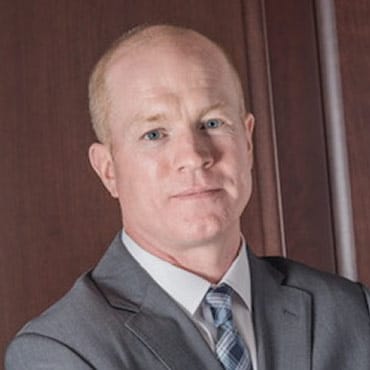
Thomas L. Gallivan represents individuals and families in matters of nursing home neglect and abuse, medical malpractice and personal injury. He has extensive experience representing the elderly in nursing home matters involving bedsores (pressure injuries, pressure ulcers, decubitus ulcers), falls resulting in fractures and death, sexual abuse, physical abuse, choking, aspiration, sepsis, and wrongful death. Mr. Gallivan is of counsel to Duffy & Duffy, LLP, one of the preeminent personal injury firms in New York. He has recovered in excess of $30,000,000 for nursing home victims and millions more for those injured due to medical malpractice, birth injuries, motor vehicle accidents, slip and falls, and construction accidents.
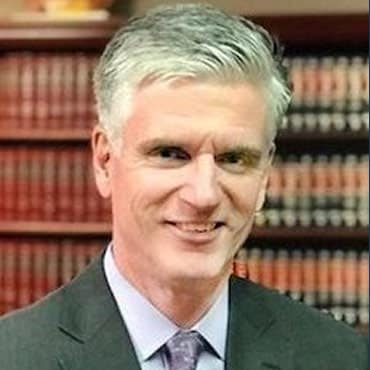
James C. Freeman, Of Counsel to Law Offices of Thomas L. Gallivan, PLLC, Attorneys at Law, is a highly experienced civil litigator who has recovered millions of dollars on behalf of his clients. His personal injury and medical malpractice verdicts and settlements have been publicized in various media outlets. Early on in his legal career, Mr. Freeman worked as an Assistant County Attorney for Westchester County from 1990-1995. Mr. Freeman also represented physicians and hospitals at a well respected defense firm. His experience on both sides of the aisle works to the benefit of all his current clients, medical malpractice and personal injury plaintiffs.Mr. Freeman is an active member of the Westchester County and American Bar..
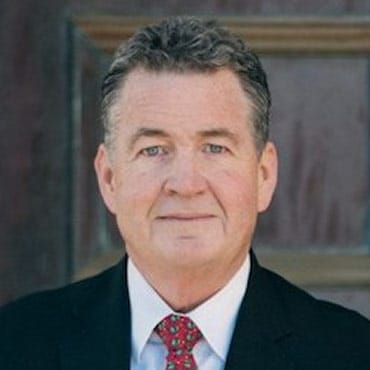
Andrew J. Gilbride joins Law Offices of Thomas L. Gallivan, PLLC, Attorneys at Law, bringing with him twenty-five years of experience in the financial markets. His extensive background in financial futures, foreign exchange trading and securities makes Mr. Gilbride the right fit to lead our expansion into securities arbitrations. Mr. Gilbride was a former member of the NYMEX division of the Chicago Mercantile Exchange, (CME), acting as both a retail broker and a floor broker and has previously served on multiple appointed committees on the exchange most notably the Adjudication Panel and the Training and Education Committee.In addition to securities arbitrations, Mr. Gilbride will be opening our new Suffolk County..
Notable Cases
The experienced New York Attorneys at the Law Offices of Thomas L. Gallivan, PLLC, Attorneys at Law, have a proven track record of success in handling personal injury, medical malpractice, nursing home neglect and criminal defense cases. The links below will take to you a sampling of notable cases handled by our attorneys:

Notable Medical Malpractice Settlements and Verdicts
$2,000,000 Medical Malpractice Settlement - Failure to Diagnose Cancer - Westchester County The plaintiff, a 37-year-old grocery store worker, claimed that as a result of the failure to diagnose, she suffered from breast cancer that has metastisized to her liver and bones, causing scarring and requiring a radical mastectomy and two reconstructive surgeries.
$1,950,000 Medical Malpractice Settlement - Anesthesiologist Malpractice - Westchester County 61 year-old male suffered oxygen deprivation during a routine colonoscopy. The anesthesiologist failed to provide appropriate sedation and properly monitor our client’s oxygenation during and after the procedure.

Notable Nursing Home Neglect and Abuse Settlements and Verdicts
$490,000 Nursing Home Neglect Settlement - Kings County A Brooklyn nursing home resident suffered a large Stage IV sacral bedsore. The bedsore recurred a few months after healing. She also suffered a fall resulting in a fracture of the right foot at the same facility. Confidential Nursing Home Abuse Settlement - Richmond County
Client developed severe Stage IV pressure sore on her sacrum while a resident at a local nursing home. The pressure sore became infected, resulting in her death. Experts in nursing and geriatrics were ready to testify at trial. $375,000 Fall/Fracture and Bedsore Settlement - Queens County A ninety-five (95) year-old female suffering from Alzheimer’s Disease, ostearthritis and dysphagia
Latest Blog

OSHA: Contractor Willfully Put Workers on Unsafe Roof
Will the EPA Finally Ban Asbestos?
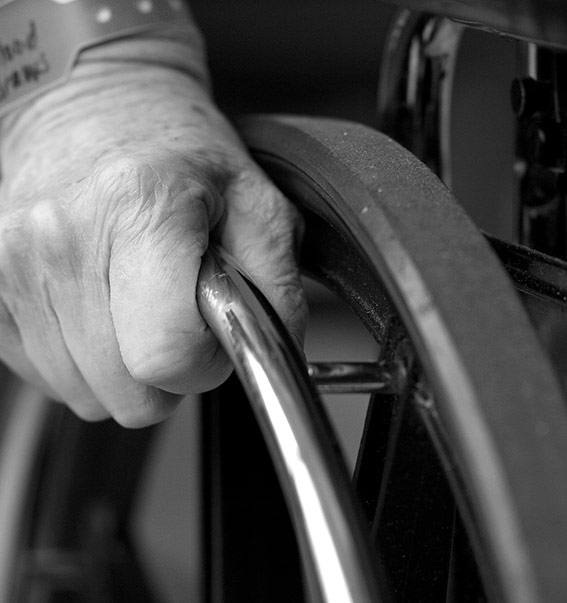
Signs of Nursing Home Abuse and How to Recognize Them
Stage 4 Bedsores and Pressure Ulcer Lawsuits and Settlements
Our Dedicated Attorneys
At the Law Offices of Thomas L. Gallivan, PLLC, we know that a serious injury can leave you physically, emotionally, and financially vulnerable. When you’re struggling to recover, dealing with insurance companies and the legal system can be overwhelming.

Our accident and injury attorneys advocate aggressively on your behalf so you get the compensation you need. Your cause becomes our cause as we negotiate a full and fair settlement of your personal injury claim.
The Law Offices of Thomas L. Gallivan, PLLC has helped hundreds of injury victims in and around New York recover the settlement or award they need to pay for medical care and regain financial stability. Our personal injury lawyers collectively have over 100 years of experience getting best results in accident claims. Whether you’ve been injured in a motor vehicle collision, slip and fall, construction accident, pedestrian accidents, or by nursing home abuse, we are ready to help you and your family.
Our Attorneys Fight for Your Recovery
If you've been injured by someone else's negligence, you need a deeply committed personal injury lawyer to get fair compensation for your losses and injuries. Our skilled attorneys have the experience and dedication you need to get your life back on track after an accident. When you work with our firm, you won't just be a case among thousands. We truly care about our clients and treat each case as if it belonged to a member of our own family.
Average New York Injury Settlement
The average settlement amount for personal injury cases in New York varies greatly. Your case's value depends on a number of factors, including property damage, medical bills, lost wages, and other damages you suffered. If you require ongoing medical treatment or personal support, the value of these services must also be taken into account. Should you be disabled, your New York injury lawyer will calculate the value of lost future income as well.
In some cases, a defendant may have acted so recklessly that punitive damages, also known as exemplary damages, apply. Although rarely awarded, they can occur if, for example, you were seriously injured by a drunk driver with a history of DUI convictions.
At the Law Offices of Thomas L. Gallivan, PLLC, we always fight for the maximum compensation for our clients. For example, we have recovered over $30 million for nursing home victims alone. Although every case is different, our goal is always to get the money you need to remain financially stable as you recover.